





Nguni Cattle – Beef Production in South Africa (Summary)
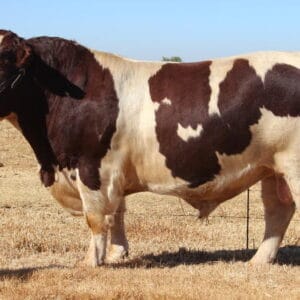
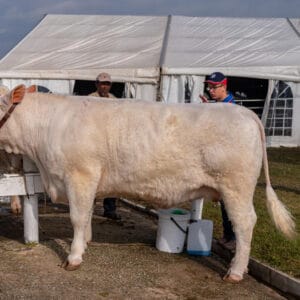
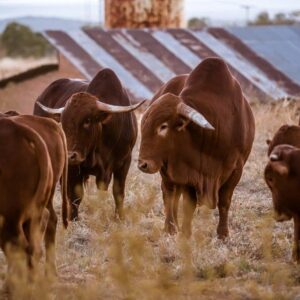
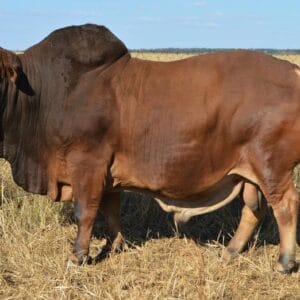
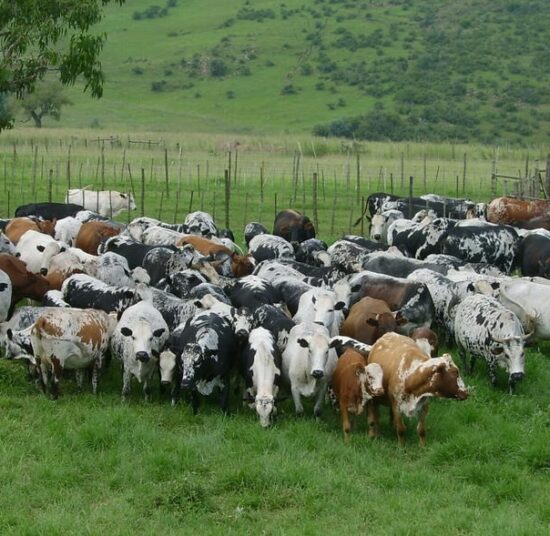
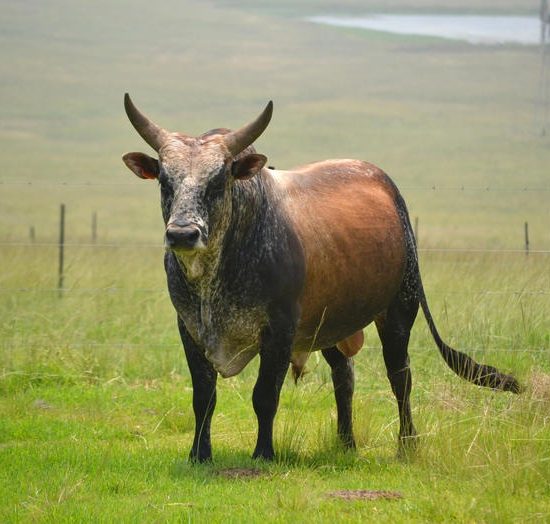
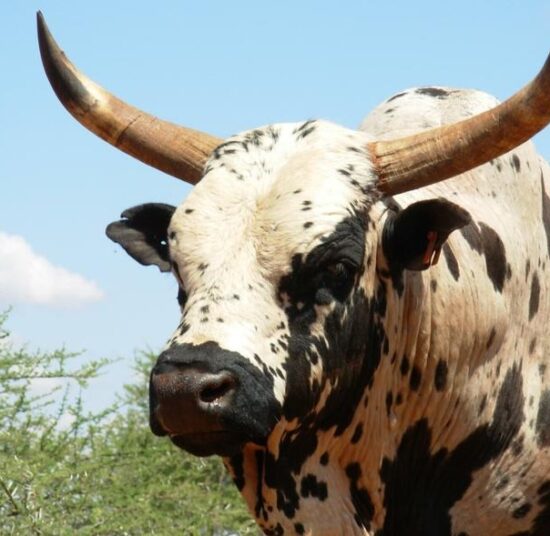
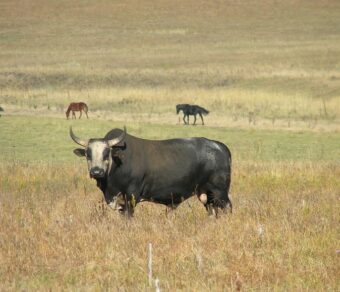
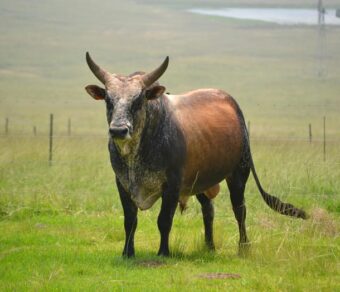
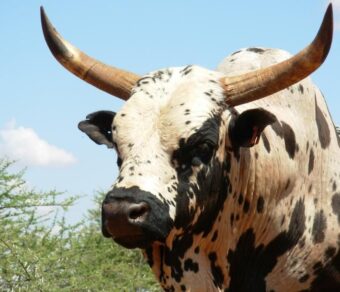
Nguni cattle are a resilient, indigenous breed of South Africa, historically farmed by the Nguni people. These medium-framed animals are well adapted to harsh African conditions and are a vital part of the country’s beef production.
History & Origin
-
Originated and spread through Swaziland, KwaZulu-Natal, Mozambique, and Zimbabwe.
-
Historically used for milk, meat, dowries, and as a symbol of wealth.
-
Introduced exotic breeds underperformed in local conditions, while Nguni cattle proved efficient and adaptable.
Key Attributes
-
Size: Cows weigh 300–400 kg, bulls 500–600 kg.
-
Coat: Smooth with short hair – tick-resistant.
-
Hide: Comes in various colours and patterns, highly valued for leather products.
-
Temperament: Calm and easy to handle.
-
Health: High resistance to heat, cold, ticks, and diseases.
-
Feed efficiency: Excellent conversion rates and low production costs.
-
Declared by the Nguni Cattle Breeders’ Society as the “most profitable and economically sustainable beef breed.”
Production & Distribution
-
Bred across South Africa, thriving even on poor-quality veld.
-
Expected to become increasingly important with climate change.
-
Classified as a protected species; live exports require a government permit.
Uses
-
Primarily for beef, but also used in dairy and leather industries.
-
Common in crossbreeding programmes to improve traits like fertility, milk production, and meat quality.
-
Known for early sexual maturity, high calving ease, and strong maternal traits.
Meat Quality
-
Meat has good flavour and marbling, though it tends to be darker in colour.
-
Can be veld-finished without hormones or growth stimulants—no need for feedlots.
Nguni cattle represent a uniquely South African solution to sustainable beef farming, offering a balance of productivity, resilience, and cultural value.