


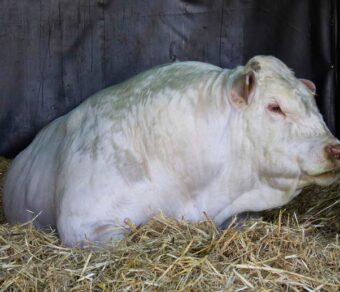

Charolais Cattle – Beef Production in South Africa (Summary)
Charolais is one of the oldest French cattle breeds, originally from the Jura Mountains, later spreading through Charolles and Nievre. It gained early fame for meat quality at major markets as far back as the 16th century.
Introduction to South Africa
-
First imported in 1955 (3 cows, 1 bull).
-
Larger-scale imports in 1964 (1605 cows, 259 bulls).
-
Charolais Cattle Breeders Society founded in 1966.
-
Initially valued for size and strength, issues like calving difficulty and poor milk production emerged but were later corrected through strict breeding regulations, semen standards, and performance testing.
Attributes
-
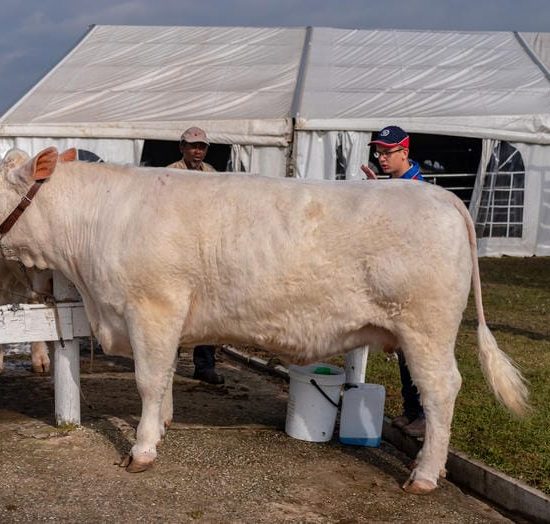
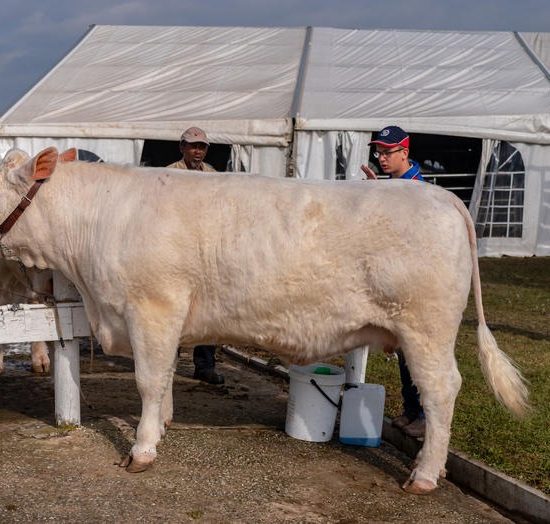
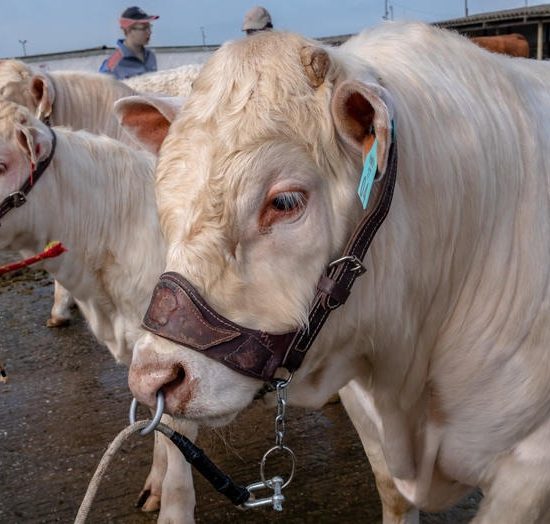
Colour: Offspring usually white by second generation.
-
Frame: Medium to large (selective breeding has reduced extreme size to improve calving ease).
-
Fertility: Strong focus has reduced inter-calf period to 417 days.
-
Milk Production: Improved, with some of the heaviest weaning calves in South Africa.
-
Prepotency: Very strong — traits reliably passed to offspring.
-
Purebred history: Over 370 years.
-
Excellent hybrid vigour when used in crossbreeding.
Production Regions
-
Bred in all nine South African provinces, especially popular in North West and Northern Cape.
-
Exported to Namibia, Botswana, Zimbabwe, and Zambia.
Use
-
Used in both stud and commercial farming.
-
Bulls often crossbred with smaller-framed cattle, producing fast-growing calves ideal for feedlots.
Meat Quality
-
High growth rate, efficient feed conversion.
-
Fat deposition occurs late, lowering feedlot costs and improving market flexibility.
-
Large carcasses ease processing and transport, enhancing profitability.
Charolais cattle combine historical prestige with modern performance, making them a top choice in both purebred and crossbreeding beef operations across Southern Africa.