


Simbra Cattle – Beef Production in South Africa (Summary)
The Simbra is a modern cattle breed developed in the 1960s in the U.S. by crossing Simmentaler and Brahman cattle to combine the best traits of both: meat and milk production from Simmentalers and disease resistance and adaptability from Brahmans.
In South Africa, the first Simbra was registered in 1986. The Simmentaler Cattle Breeders Society amended its constitution to officially register the Simbra breed across South Africa, Namibia, and Botswana.
Key Characteristics:
-
Medium-framed animals:
-
Cows: 450–580 kg
-
Bulls: 600–800 kg
-
-
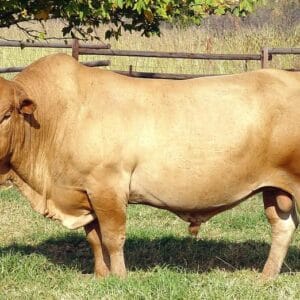
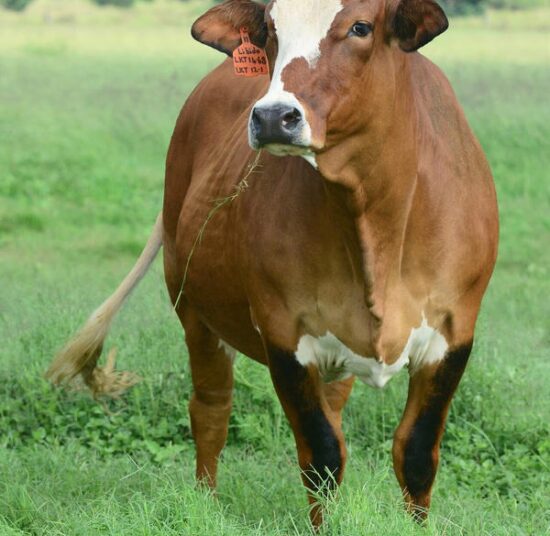
Traits include a small hump, large ears, and horned genetics (though polled lines are being developed).
-
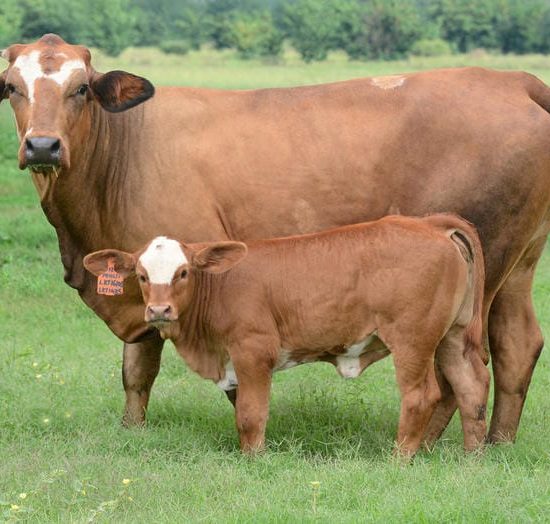
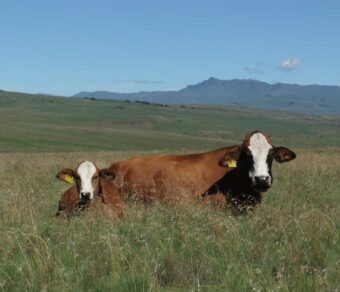
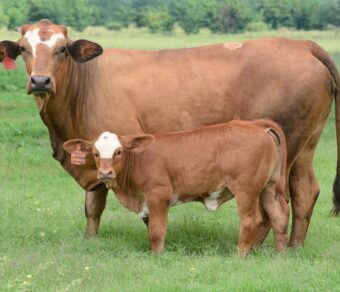
Color varies, typically light brown or red with white faces; performance is prioritized over color.
-
Eyelid pigmentation is required to avoid skin and eye issues.
-
Curly or woolly coats are disqualified due to poor stress performance.
Production & Breeding:
-
Popular due to fertility, adaptability, and feedlot-suitable calves.
-
Breeding ratios vary by region:
-
More Simmentaler in temperate areas (for weaner production).
-
More Brahman in harsher climates.
-
-
Widely produced in South Africa, Namibia, and Botswana.
-
Offers a consistent genetic package, unlike traditional crossbreeding systems.
Simbra cattle are valued in commercial herds for their hardiness, performance, and feedlot demand.