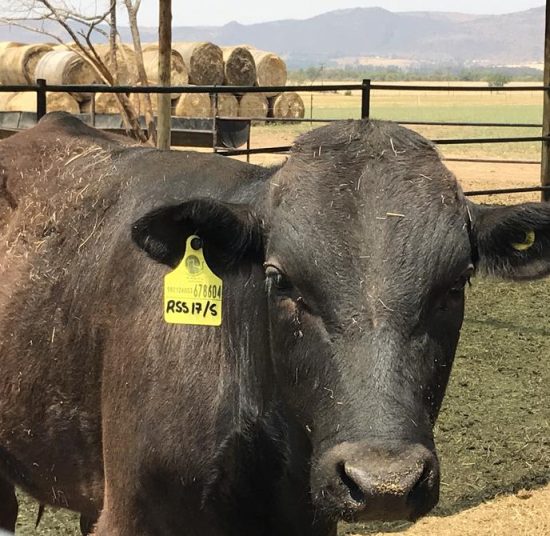
Wagyu Beef
Beef Production in South Africa
The word Wagyu means “Japanese cow” and refers to specific cattle breeds that originated in Japan. Historically, Buddhist leaders prohibited the consumption of meat, so Wagyu cattle were initially bred for their strength and ability to carry heavy loads.
This ban was lifted by the mid-19th century. By then, Wagyu cattle had developed a distinctive intramuscular fat pattern known as marbling, which gives the beef its renowned tenderness, succulence, and flavour.
For many years, Wagyu beef was reserved for royalty and samurais. These animals were treated with exceptional care—often brushed and massaged to improve blood circulation and fat distribution. This handling also reduced stress, which is crucial for maintaining high meat quality. Traditionally, some farmers even used sake or beer to condition the cattle’s coat and stimulate appetite during hot weather.
Global Production
Wagyu beef accounts for only about 0.2% of the global premium meat market, leaving significant room for growth. Rising awareness of its exceptional quality continues to drive demand.
Red vs. Black Wagyu
According to Dr. Michael Bradfield, CEO of the Wagyu Society of South Africa, two types of Wagyu are produced locally:
-
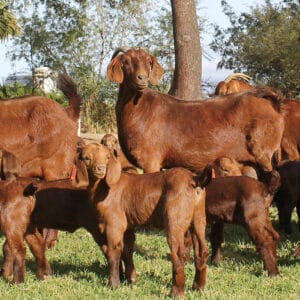
Red Wagyu (Akauishi): Known for good fertility, excellent growth, and strong marbling. It closely resembles some of South Africa’s indigenous red breeds.
-
Black Wagyu (Japanese Black): Smaller in stature but has superior marbling. Ideal for boutique meat markets and export.
Globally, Australia has about 300,000 Japanese Black cattle, while the United States focuses more on Akauishi, with approximately 100,000 head.
Wagyu in South Africa
Wagyu was introduced to South Africa in 1999 by Brian Angus, who imported the first embryos from the U.S. His herd laid the foundation for the country’s purebred population. The Wagyu Society of South Africa was established in 2014 and had grown to over 140 members by 2019.
At that time, the Society recorded approximately 3,000 Wagyu cattle—1,200 full-blood and 300 purebred. South Africa’s entry into Wagyu production came later than Australia and the U.S., partly due to the difficulty of sourcing embryos and a historical focus on lean beef aligned with European standards. However, in recent years, local consumers have embraced the health benefits and rich flavour associated with marbled beef.
Production Areas and Crossbreeding
Wagyu cattle are adaptable and raised throughout South Africa. The Wagyu Society encourages crossbreeding with local breeds such as Nguni, Bonsmara, and Beefmaster to improve meat quality and fertility.
Meat Quality and Certification
In 2018, the Wagyu Society of South Africa launched a certification programme to ensure product integrity and quality assurance. According to the programme:
-
“Wagyu” can only be used for cattle sired by a registered full-blood or purebred Wagyu bull, or first-generation crosses with at least 50% Wagyu genetics.
-
Meat must have a marbling score of at least 3 and be hormone-free.
-
Farmers must follow strict animal welfare practices, keep detailed production records, and ensure bull calves are castrated before five months of age.
For bulk or export enquiries, please use the contact form linked below.